For many parents in their 40s and 50s, childhood memories often mean climbing trees, playing hide-and-seek in tall grass, or lying on our backs spotting shapes in the clouds. Those moments weren’t just fun—they shaped who we became. Today, however, childhood looks different.
Modern family life has changed dramatically in the last two decades. Kids now spend more time glued to screens viewing television and playing video games on computers than they do being physically active outside. Meals are more processed, routines more rushed.The solution, however, can be surprisingly simple: bring nature back into children’s everyday lives. Green spaces not only beautify surroundings, they actively nurture children’s growth across every dimension.
Why Nature Matters
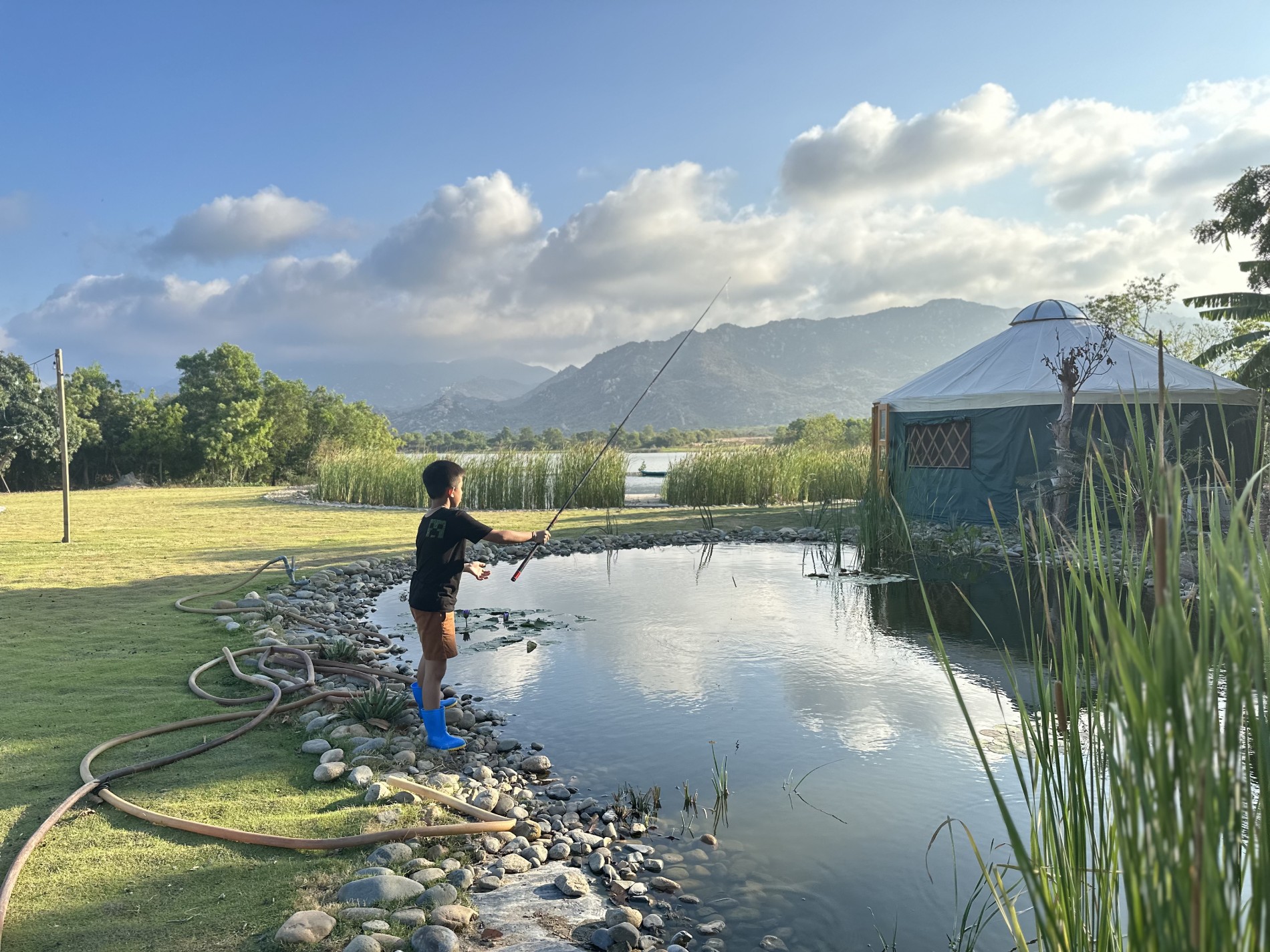
Nature is more than just a backdrop for play—it is a powerful teacher. Daily contact with the natural world nurtures children intellectually, emotionally, socially, spiritually, and physically.
The benefits of connecting to nature have been well documented in numerous scientific research studies , confirm that regular exposure to nature enhances social, psychological, academic, and physical health, supporting growth across every domain of development.
- Fuels creativity and problem-solving – Green spaces encourage imaginative play, cooperation, and innovation in ways that manufactured play areas cannot.
- Boosts focus and cognitive skills – Daily exposure to natural settings helps children concentrate better and process information more effectively.
- Improves learning outcomes – Outdoor classrooms and hands-on nature experiences drive measurable gains in subjects like science, math, and language arts.
- Supports mental health – Contact with nature reduces symptoms of attention difficulties, lowers stress, and builds emotional resilience.
- Promotes healthy lifestyles – Children outdoors are more physically active, more aware of nutrition, and more likely to develop lifelong healthy eating habits when they grow their own food.
- Protects vision – Time outside reduces the risk of childhood myopia (nearsightedness).
- Strengthens social skills – Free play in natural environments fosters empathy, teamwork, and stronger peer relationships.
- Builds self-discipline – Access to green spaces cultivates calmness, patience, and self-control.
“Vitamin G”: Nature as Daily Nutrition
Researcher Frances Ming Kuo calls this “Vitamin G”—with G for “Green.” Just as children need vitamins for physical growth, they need regular doses of nature for emotional and cognitive health. Without it, they risk stress, restlessness, and disconnection. With it, they flourish.
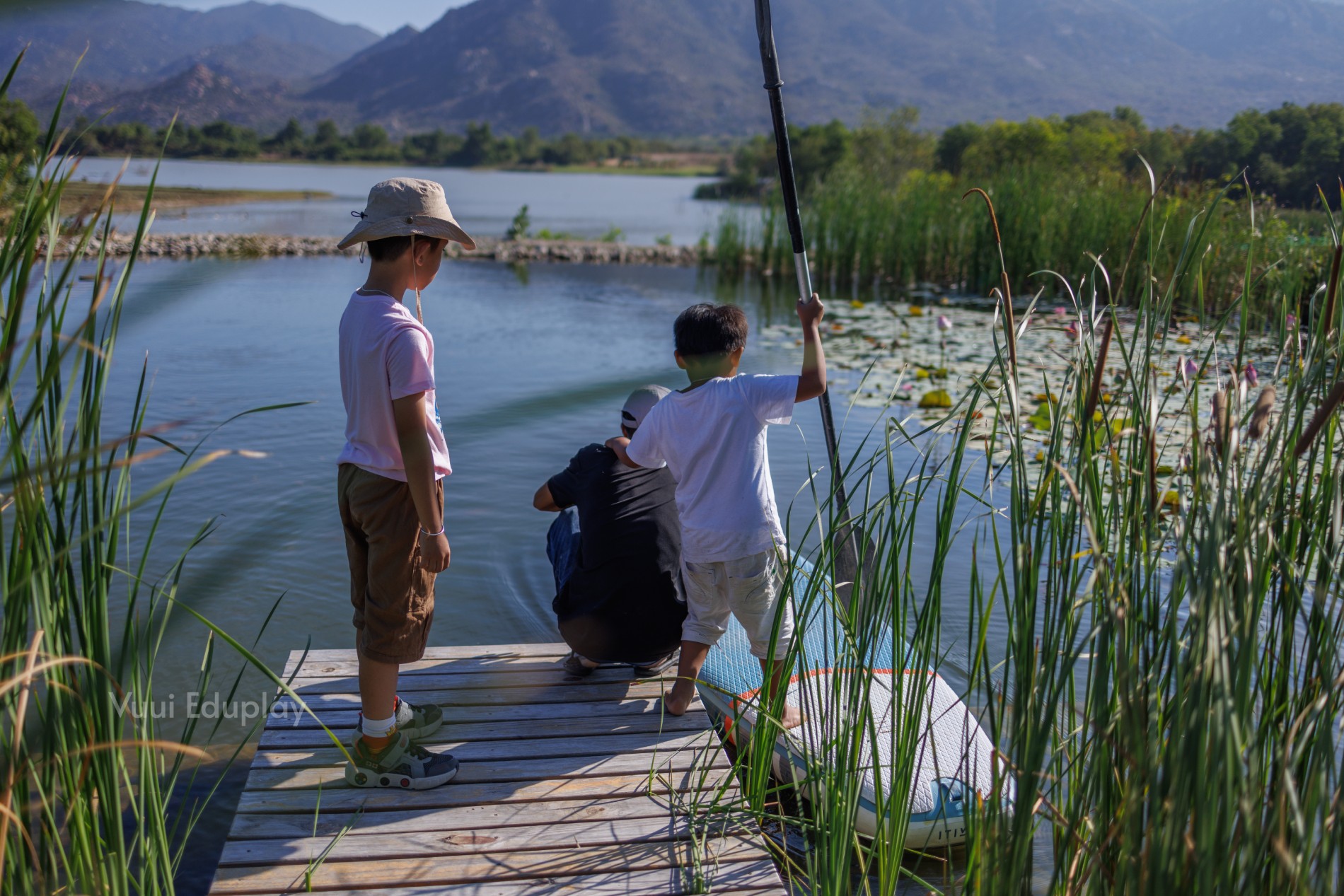
Discovering Nature at Mangolia: Our Exclusive Classroom for Young Learners and Parents
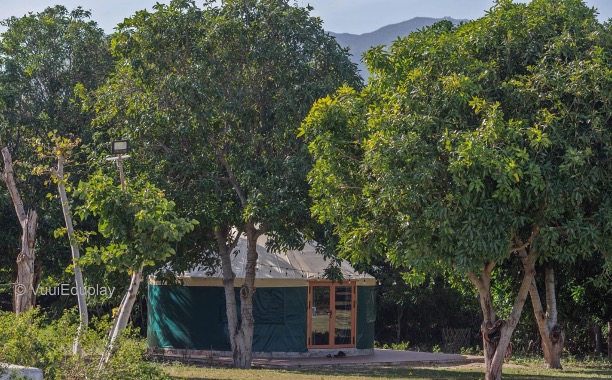
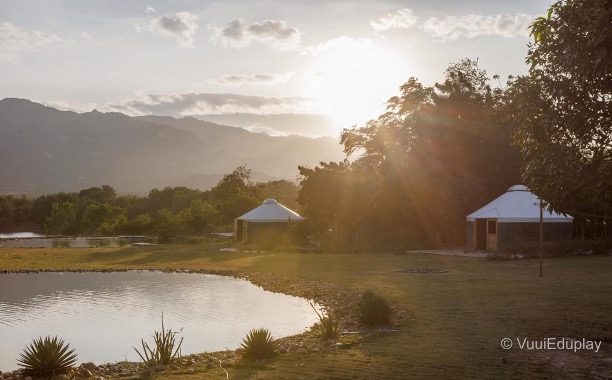
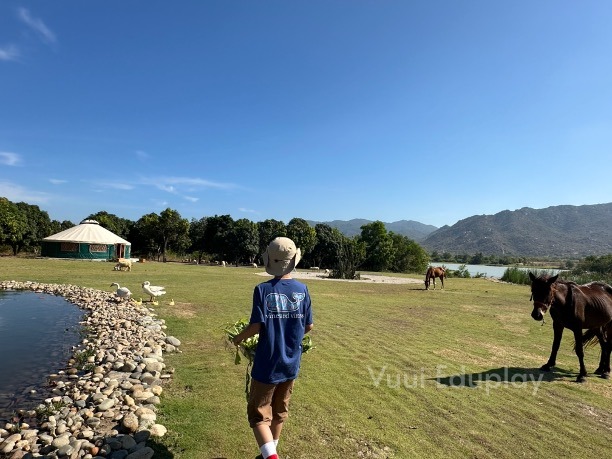
At Mangolia, our exclusive partner, the philosophy of learning through nature comes to life. Nestled in the peaceful meadows of Ninh Thuan, our charming farmstay invites families to reconnect with nature and with each other.
Scandinavian-inspired yurts open out to sweeping views of forests, golden sand dunes, and pristine beaches. Imagine waking to the crow of a rooster, collecting freshly laid eggs, feeding gentle farm animals, or wandering through rolling pastures. For children, every moment becomes a new adventure; for parents, every moment is a breath of peace.
Together, we’ve created not just a destination, but an exclusive classroom under the open sky—where children learn by experiencing, and parents rediscover the joy of slowing down.